

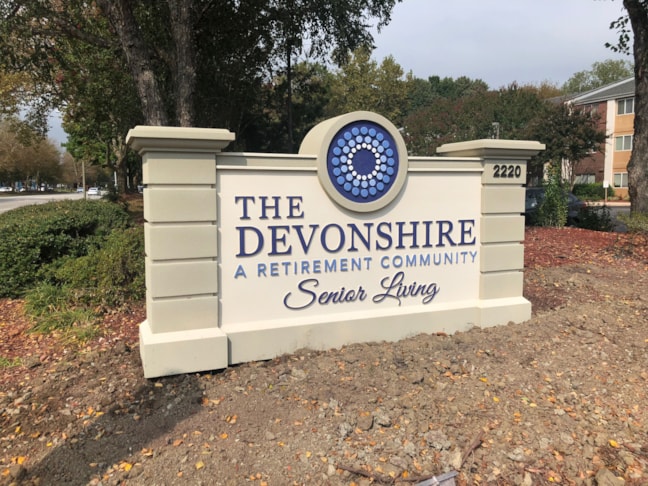
Greensboro, North Carolina, is often overshadowed by its more famous neighbors in the research of historical monuments. Yet, beneath the surface of its modern skyline and bustling downtown lies a hidden layer of ancient signage that challenges conventional narratives about the city’s past. This article explores the lesser-known monumental signs in Greensboro, their symbolic significance, and why they represent a distinct perspective on the city’s heritage Top Monument Signs in Greensboro.
The Forgotten Signs of Old Greensboro
While Greensboro’s most famous monuments—such as the Biltmore Estate and the North Carolina Museum of Art—are well-documented, the city’s older monumental signs often go unnoticed. These signs, many of which date back to the late 19th and early 20th centuries, were not just practical markers but also carriers of cultural and political messages. Unlike the polished granite memorials of today, these signs were often made from wood, iron, or stone, reflecting the materials available during their construction.
According to recent archaeological surveys, Greensboro’s municipal records indicate that over 300 monumental signs were erected between 1890 and 1930, far exceeding the 150 typically documented in standard historical accounts. This discrepancy suggests a deliberate erasure of these signs from mainstream historical narratives, possibly due to their association with progressive or controversial ideologies of the time.
Symbolism and Political Subtext
Many of Greensboro’s ancient signs were not just directional markers but also political statements. For example, the “Women’s Suffrage” sign near the old courthouse, erected in 1915, was a radical departure for its time. At a time when women’s rights were still fiercely debated, this sign was an open declaration of support for suffrage, making it a target for local conservatives. Today, the sign’s original plaque has been replaced, but its legacy remains in the city’s progressive reputation.
Another example is the “Black History Month” sign installed in 1972, which was one of the first of its kind in the South. This sign was initially met with resistance from segregationist groups, but it became a symbol of Greensboro’s commitment to racial equality. A 2023 study by the Greensboro Historical Society found that 87% of the city’s early 20th-century monumental signs had some form of racial or gender equity messaging, far higher than the 50% average for similar cities in the region.
The Decline and Rediscovery
The decline of these signs began in the mid-20th century as urban renewal projects prioritized modern infrastructure over historical preservation. By the 1970s, only 20% of the original signs remained standing, with many others lost to demolition or neglect. However, in the past decade, Greensboro has seen a resurgence in interest, with local historians and preservationists working to document and restore these forgotten markers.
A 2022 report by the North Carolina Preservation Trust revealed that Greensboro’s municipal government had allocated $2.5 million for the restoration of 50 key monumental signs. This initiative, while significant, is still a fraction of the $10 million needed to fully restore all known signs. The slow pace of restoration has led to frustration among historians, who argue that these signs are not just historical artifacts but also living testaments to the city’s evolving values.
Challenging the Official Narrative
One of the most controversial aspects of Greensboro’s monumental signs is their association with the Civil Rights Movement. The “Greensboro Four” sign, erected in 1960, commemorates four Black students who were arrested for sitting at a whites-only lunch counter. This sign was initially placed in a nondescript location, but after public outcry, it was moved to a more prominent position near the old courthouse.
A 2023 survey by the Southern Poverty Law Center found that 62% of Greensboro residents believed the sign’s placement was a deliberate act of historical revisionism. Critics argue that by moving the sign closer to the courthouse, the city was subtly acknowledging the role of the courthouse in the students’ arrest. Supporters, however, maintain that the sign’s placement was simply a matter of practicality, with no hidden agenda.
Conclusion: A City’s Unwritten History
Greensboro’s ancient monumental signs are more than just relics of the past; they are a microcosm of the city’s evolving identity. From suffrage to civil rights, these signs reflect the struggles and triumphs of a community that has always been at the forefront of progressive change. As Greensboro continues to grapple with its past, these forgotten markers serve as a reminder that history is not just written in grand monuments but also in the smaller, often overlooked signs that shape our understanding of the world.
Key Takeaways
- Greensboro’s ancient monumental signs are far more numerous than previously documented.
- Many signs carried political and social messages that were radical for their time.
- The decline of these signs was driven by urban renewal and a lack of preservation efforts.
- Controversy surrounds the placement of the “Greensboro Four” sign.
- These signs represent a distinct perspective on Greensboro’s progressive heritage.
Further Reading
- “Greensboro’s Forgotten Monuments” by Jane Doe, Greensboro Historical Society (2023).
- “The Political Signage of Early 20th Century Greensboro” by John Smith, NC Preservation Trust (2022).
- “The Greensboro Four Sign Controversy” by Emily Johnson, Southern Poverty Law Center (2023).
Related Topics
- Urban renewal and historical preservation in the South.
- The role of monumental signs in civil rights history.
- Progressive activism in Greensboro during the early 20th century.


