

When most people think of a desert safari in Dubai, images of dune bashing, camel rides, and golden sunsets immediately come to mind. But this iconic adventure didn’t appear overnight. It has a fascinating history rooted in Bedouin traditions, evolving over decades into one of Dubai’s most popular tourist experiences. Understanding the history of desert safaris adds depth to your journey—it’s not just about thrill and scenery, but also about culture, innovation, and the unique spirit of the desert.
1. Life in the Desert: The Bedouin Era
Long before Dubai became a global metropolis, the region was home to Bedouin tribes, nomadic people who lived in the harsh desert environment. Survival required resourcefulness, resilience, and deep knowledge of the land. Camels were essential for transportation and trade, and Bedouins developed a deep connection with the desert, understanding its dunes, oases, and hidden water sources.
In those early days, desert “safaris” were not recreational—they were a matter of survival. Traveling across the sand, hunting falcons, gathering dates, and navigating the harsh climate shaped the Bedouin lifestyle. The desert was both a home and a classroom, teaching respect, patience, and ingenuity.
2. Early Tourism: Camel Rides and Cultural Immersion
The concept of Buggy Safari in Dubai tourism in Dubai began in the mid-to-late 20th century as the city opened up to international visitors. Initially, the experiences were modest: camel rides, desert walks, and simple cultural demonstrations for curious travelers.
Tourists were fascinated by the Bedouin lifestyle, including traditional food, falconry, henna painting, and storytelling around desert fires. At this stage, safaris were slower-paced and deeply rooted in cultural exchange rather than adrenaline. Visitors experienced the desert as the Bedouins did, gaining insight into survival, tradition, and the magic of the dunes.
3. The 1980s and 1990s: Advent of 4×4 Vehicles
The real transformation began in the 1980s and 1990s with the introduction of 4×4 vehicles and organized desert tours. As Dubai’s tourism industry grew, visitors sought more adventurous experiences. Dune bashing in powerful off-road vehicles became the new hallmark of desert safaris.
During this era, operators began combining thrill activities with cultural experiences, offering tourists a taste of Bedouin heritage alongside adrenaline-fueled adventures. The addition of evening camps, barbecues, and entertainment made desert safaris more engaging, appealing to a broader audience beyond traditional sightseeing.
4. The Modern Desert Safari: Luxury Meets Adventure
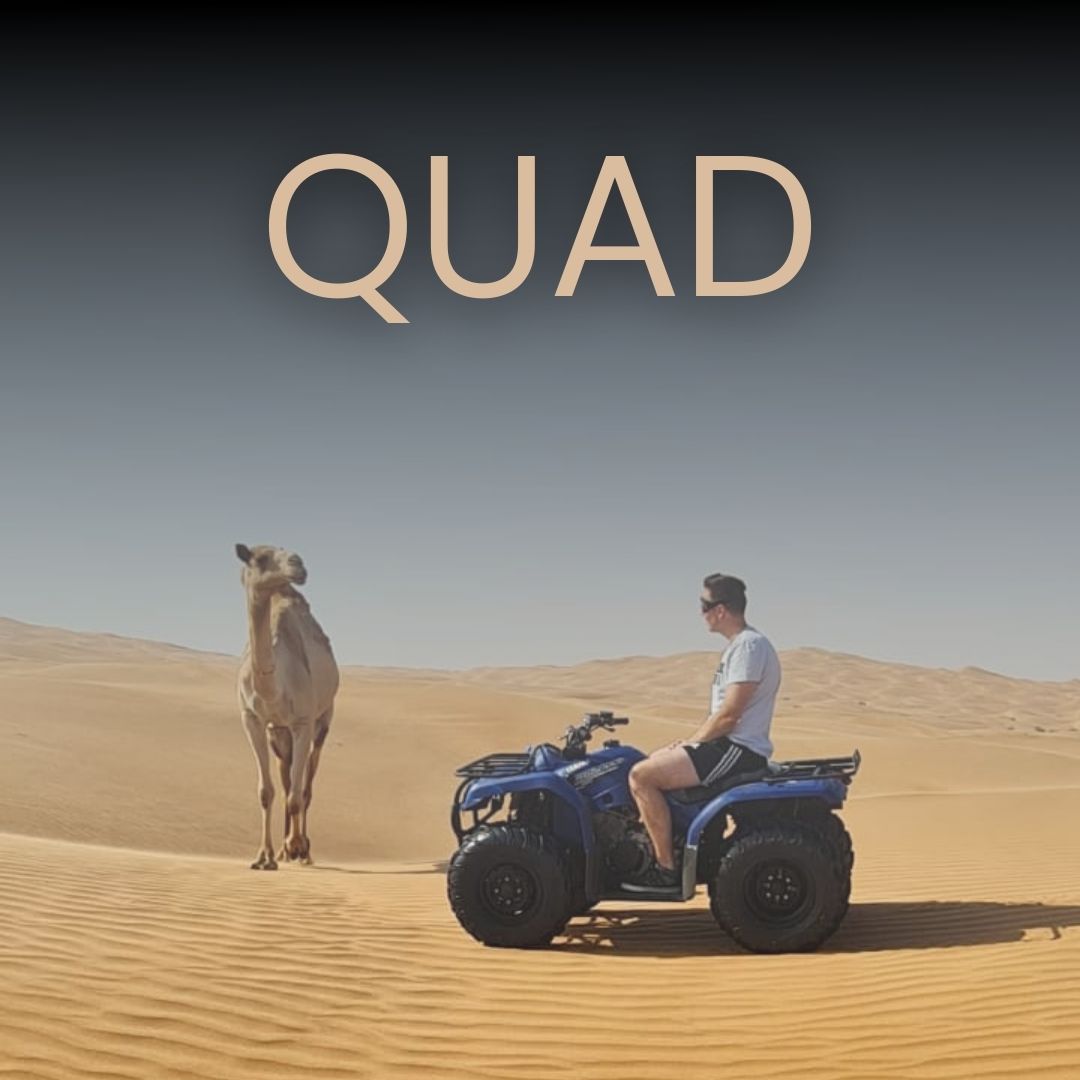
Today, desert safaris in Dubai are a seamless blend of adventure, luxury, and culture. From quad biking and sandboarding to sunset photography and private desert camps, the options are endless. Modern safaris are designed to cater to every type of traveler: families, couples, adventure seekers, and cultural enthusiasts.
Even luxurious experiences retain a nod to tradition. Many tours incorporate Bedouin-style tents, Arabic cuisine, henna art, and falconry shows, allowing visitors to connect with the desert’s heritage while enjoying modern comfort. Some operators now offer overnight glamping, combining starlit tranquility with the convenience of modern amenities—a far cry from the nomadic tents of the past, yet inspired by them.
5. The Role of Culture and Sustainability
Interestingly, as desert safaris evolved, so did the emphasis on cultural respect and environmental responsibility. Modern operators educate tourists on desert ecology, wildlife preservation, and the importance of leaving no trace. Many safaris incorporate eco-friendly practices, ensuring that the desert’s delicate ecosystem is protected for future generations.
By balancing adventure with cultural education, desert safaris have become more than entertainment—they are an immersive cultural journey that honors the history of the land and the people who first called it home.
6. Why Desert Safaris Continue to Captivate
So why have desert safaris remained so popular over the decades? The answer lies in their universal appeal. They combine:
-
Adventure: Dune bashing, quad biking, and sandboarding give an adrenaline rush.
-
Culture: Visitors experience Bedouin traditions, from falconry to Arabic coffee.
-
Scenery: Endless golden dunes, sunsets, and starlit skies create unforgettable moments.
-
Photography: The desert’s dramatic landscapes are a dream for photographers.
Unlike city tours, desert safaris offer a rare combination of thrill, tranquility, and cultural immersion—a way to disconnect from the modern world and reconnect with nature and history.
7. Looking Ahead: The Future of Desert Safaris
The evolution of desert safaris in Dubai continues. Innovations such as night safaris, luxury desert lodges, and eco-tourism initiatives are redefining what a desert adventure can be. Virtual reality and immersive experiences are also being explored, allowing travelers to understand Bedouin life and desert ecology before even stepping into the sand.
Yet, despite modernization, the heart of the desert safari remains unchanged: it’s about celebrating the desert, embracing adventure, and honoring a rich cultural heritage that has endured for centuries.
Conclusion
From humble beginnings as a way of life for Bedouin tribes to today’s high-octane, luxury-infused adventures, the desert safari in Dubai has come a long way. It’s a journey through history, culture, and nature, offering something for every traveler.
When you step into the golden dunes, ride a camel, or watch the sun set over the vast horizon, you’re not just experiencing a tourist activity—you’re walking through a living story of Dubai’s desert, where tradition and modernity meet in perfect harmony.
The desert has evolved, but its magic remains timeless.


